Weimaraner Mom: A Designer’s Embroidery Review
As a professional embroidery designer and product reviewer, I approach every new machine embroidery design with a critical eye. It is not enough for a graphic to look appealing on a screen; it must translate into physical thread with integrity, durability, and aesthetic balance. When evaluating the "Weimaraner Mom" design asset, my primary focus is how this artwork transitions from a digital vector or raster file into a tangible handmade product. This review breaks down the practical realities of using this specific T-shirt design and graphic for real-world projects, offering insight for fellow makers, Etsy sellers, and apparel decorators who need reliability over hype.
First Impressions and Visual Personality
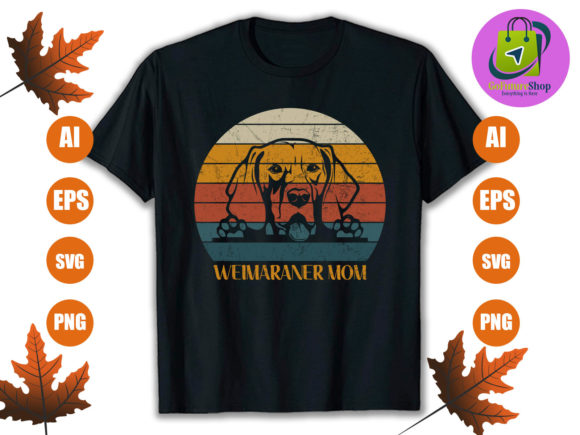
Upon opening the provided files (AI, EPS, SVG, and PNG), the immediate impression of Weimaraner Mom is one of niche specificity. The design captures the distinct, elegant silhouette and soulful expression characteristic of the breed, paired with typography that speaks directly to dog owners. For a craft business, this level of breed-specific recognition is vital. Generic dog designs often fail to convert buyers looking for personalized items, but this graphic hits the emotional mark required for a successful personalized gift.
The layout appears balanced for center-chest placement or tote bag centrality. However, as an experienced digitizer, I immediately assess the line weight and negative space. The RGB color profile included in the download suggests this was originally intended for print, which means we must carefully evaluate its suitability for needle and thread. The visual mood is warm and relatable, making it an excellent candidate for sweatshirt embroidery or casual custom apparel, but the transition from pixel/vector to stitch requires deliberate planning regarding density and texture.
Real-World Application: The Custom Tote Bag Test
To truly judge the viability of Weimaraner Mom, I mentally simulate a recent client project: a custom canvas tote bag for a boutique pet supply shop. In this scenario, the design needs to be legible from a distance while maintaining detail up close. Canvas is a forgiving fabric, but it has texture that can swallow fine details.
If utilizing this as an applique design, the Weimaraner shape offers a fantastic opportunity to reduce stitch count while adding tactile interest. I would recommend using a smooth cotton or linen for the applique fabric to contrast against the nubby canvas base. If stitching out fully without applique, the fill stitch areas must be mapped correctly to prevent puckering. For this tote bag application, the design serves as a strong anchor piece. It communicates brand identity instantly and adds perceived value to what might otherwise be a plain utility item. Customers respond to this type of small shop product because it feels curated rather than mass-produced.
Navigating Fabric Limitations and Hoop Constraints
While Weimaraner Mom shines on stable substrates like canvas or heavy cotton, caution is necessary when moving to more challenging materials. As a reviewer, I must highlight where this design could face production issues:
- Stretchy Knits and Jersey: If applying this to a lightweight t-shirt or baby onesie, the stitch density becomes critical. Without proper adjustment, the design may cause fabric distortion or tunneling. Always use a high-quality cut-away stabilizer and consider a water-soluble topping to keep stitches from sinking into the knit.
- Textured Fabrics: On terry cloth towels or fleece blankets, fine lines and small text elements within the Weimaraner Mom graphic risk getting lost. You may need to increase column widths or simplify intricate details to ensure readability after washing.
- Curved Surfaces: Placing this design on caps or curved sleeves requires verifying the aspect ratio. A flat graphic often distorts when wrapped around a cylinder. Test the placement on a curved surface before committing to a full production run of holiday embroidery or merchandise.
- Dark Fabrics: Since the source files are RGB, remember that thread colors do not emit light. White or silver threads on black fabric will have lower contrast than seen on-screen. Adjust your thread colors palette to account for physical reflectivity.
Commercial Viability and Brand Consistency
For Etsy sellers and creative entrepreneurs, consistency builds trust. Using Weimaraner Mom across multiple product lines creates a cohesive collection. The versatility of receiving AI, EPS, SVG, and PNG formats allows for cross-platform branding. You can use the PNG for printable mockups on your listing photos while using the vector files to inform your digitizing software for accurate embroidery file creation.
However, professional presentation depends on execution. A poorly stitched-out design damages brand reputation faster than anything else. When offering this as part of your commercial embroidery services or finished goods, ensure the final output matches the quality promised in your digital previews. The design’s clean aesthetic supports a premium price point, but only if the registration is tight, the tension is balanced, and the trim jumps are managed cleanly. This attention to detail separates hobbyist work from professional design assets.
Critical Pre-Production Checklist for Makers
Before loading Weimaraner Mom into your machine for a client order or inventory build, adhere to these practical designer notes. These steps mitigate risk and ensure the finished product meets professional standards:
- Verify Licensing Terms: The product description lists file types but does not explicitly state commercial usage rights for physical or digital resale. Before selling any embroidered patch, garment, or digital derivative, confirm your license permits it. Protecting your business starts with respecting intellectual property.
- Digitize with Intent: Do not rely solely on auto-digitizing features. Manually adjust underlay stitches based on your target fabric. A satin stitch border may need edge-run underlay on stretchy material, whereas a running stitch outline might suffice on woven cotton.
- Test Stitch-Outs are Mandatory: Never assume a digital preview equals physical reality. Run a test on scrap fabric identical to your final project. Check for gaps between fill areas and outlines, and verify that small lettering remains legible.
- Evaluate Washability: If creating baby embroidery or kitchen linens, wash the test sample. Does the design hold up? Do the threads bleed? Will the stabilizer residue irritate sensitive skin? Durability is a key component of customer satisfaction.
- Mockup Accuracy: When listing this as a tote bag design or apparel item, use realistic mockups that show actual stitch texture rather than flat vectors. Buyers appreciate seeing what the embroidery project will actually look like, including sheen and dimension.
Final Verdict on Design Utility
Weimaraner Mom represents a solid foundation for niche market products. Its strength lies in its targeted appeal and versatile file delivery, allowing makers to adapt it for various applications from holiday gifts to everyday wear. However, its success as an embroidered product rests entirely on the maker's technical proficiency. The RGB nature of the source files serves as a reminder that translation is required; you are not just printing an image, you are engineering a textile structure.
For the experienced embroiderer willing to put in the testing and stabilization work, this design offers significant potential for creating high-value, emotionally resonant products. For beginners, treat it as a learning opportunity to master fabric-variable adjustments. Ultimately, Weimaraner Mom is more than just a cute graphic; it is a test case in professional adaptation, rewarding those who respect the craft with beautiful, sellable results. Whether you are building a craft business inventory or stitching a heartfelt gift, approaching this design with technical mindfulness ensures the final stitch honors both the art and the artisan.