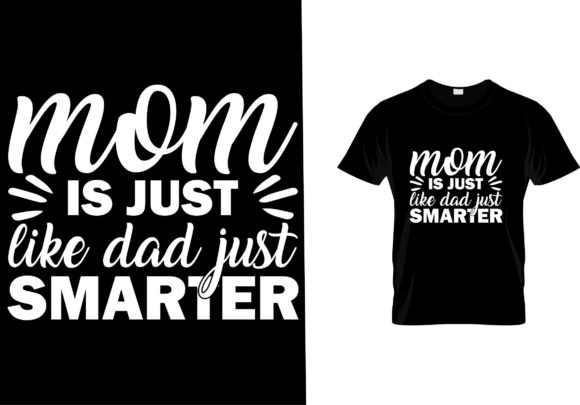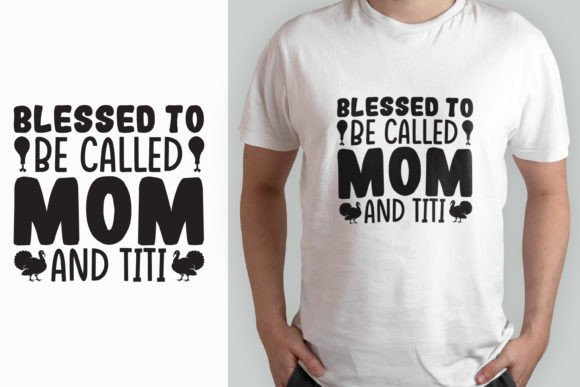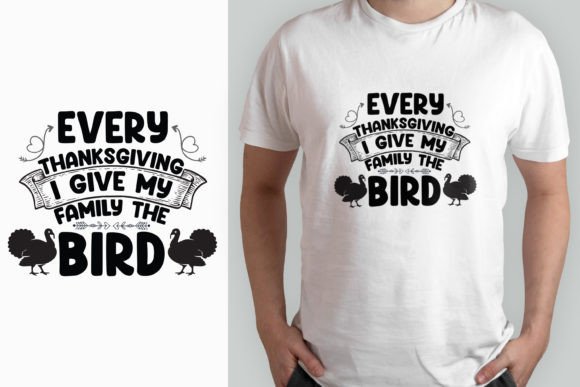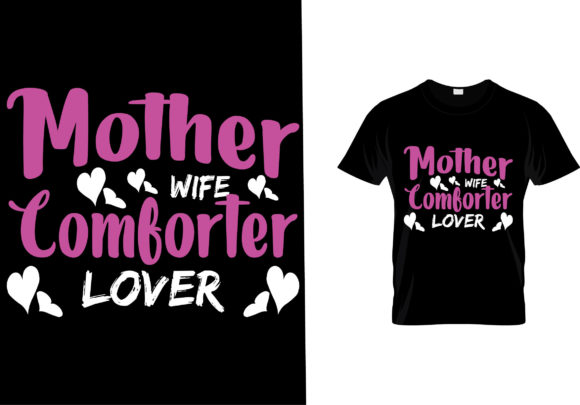
Mother Day T-shirt Design: An Embroidery Review
As a professional designer and product reviewer who spends countless hours testing digital assets for real-world application, I approach every new machine embroidery design with a healthy dose of skepticism. We have all downloaded files that look perfect on screen but turn into thread nests or distorted shapes once the needle hits the fabric. When evaluating this Mother Day T-shirt graphic for potential embroidery adaptation, my primary focus is not just on its aesthetic appeal as a sublimation asset, but on its structural integrity when translated into stitches for a handmade product.
The initial impression of this Mother Day T-shirt design is one of versatile warmth. It carries a visual personality that balances sentimentality with modern cleanliness, which is crucial for custom apparel. In the world of T-Shirt Designs, there is often a disconnect between what works for ink and what works for thread. However, the layout here suggests a thoughtful composition. The elements are distinct enough to allow for color blocking, yet cohesive enough to stand alone as a centerpiece. For an Etsy seller or small shop owner, this balance is vital because it bridges the gap between a quick print-on-demand item and a high-value embroidered piece that justifies a premium price point.
Real-World Application: The Custom Tote Bag Test
To truly judge the viability of this design, I mentally placed it in a specific production scenario: creating a personalized canvas tote bag as a holiday gift for a client’s mother. Canvas is unforgiving; it has a heavy fabric texture that can swallow fine details. In this context, the Mother Day T-shirt graphic performs admirably because of its scalable nature. The provided 4500×5400 PNG resolution ensures that even when resized for a larger hoop, the edges remain crisp for digitizing reference.
When adapting this embroidery file for the tote bag, the design’s hierarchy becomes apparent. The main focal points are bold enough to support a satin stitch border or lettering without getting lost in the weave of the canvas. If I were stitching this, I would likely utilize the negative space for a monogram, turning a standard graphic into a truly personalized gift. This adaptability is what separates generic clipart from genuine design assets for creative entrepreneurs. The mood remains celebratory and respectful, ensuring the finished product feels like a boutique offering rather than a mass-produced commodity. For commercial embroidery projects where turnaround time matters, having a design that reads clearly at various sizes reduces the need for excessive test stitching and adjustments.
Navigating Fabric Challenges and Technical Limits
While the Mother Day T-shirt design is robust, no graphic is immune to the physics of embroidery. As a reviewer, I must highlight where caution is required. If you plan to use this on stretchy knits or lightweight jersey for sweatshirt embroidery or baby items, stabilization is non-negotiable. The design likely contains areas of varying density; placing heavy fill sections next to delicate running stitches on unstable fabric will cause puckering. Always pair this design with an appropriate stabilizer—a cut-away for knits and a tear-away for stable wovens.
Be particularly mindful if you are attempting to shrink this design down for small hoop sizes, such as a pocket logo or an embroidered patch. While the source graphics are high resolution, reducing the physical stitch area too much can compromise legibility. Tiny lettering or intricate floral accents inherent to the Mother Day theme may merge into indistinct blobs if pushed below their minimum stitch threshold. In these cases, simplification is key. You may need to edit the digital embroidery file to remove micro-details that cannot be rendered physically. Similarly, on dark fabrics, ensure your thread colors provide sufficient contrast. A design that relies on subtle shading in sublimation may need bolder, solid color blocks in embroidery to maintain visual impact.
Textured fabrics like terry cloth or fleece present another challenge for baby embroidery or kitchen linens. The pile can push through the stitches, obscuring the design. Using a water-soluble topping is essential here to keep the Mother Day T-shirt motif sitting cleanly on top of the fabric nap. Without this step, even the most beautiful applique design or fill work will look muddy and unprofessional.
Elevating Brand Value Through Intentional Stitching
For creative entrepreneurs and makers, the choice of design directly influences customer trust and perceived value. Using a well-structured graphic like this Mother Day T-shirt design signals professionalism. When a buyer sees clean satin columns, balanced stitch density, and intentional placement, they recognize the item as a quality small shop product. Conversely, using a design that hasn't been vetted for embroidery can lead to thread breaks, poor coverage, and returns.
This design also offers excellent potential for brand consistency across different mediums. Because it comes with EPS, SVG, and PNG formats, you can create matching merchandise lines. Imagine offering a sublimated mug alongside an embroidered apron using the exact same artwork. This cohesion strengthens brand recognition for Etsy sellers and boutique owners. Furthermore, the ability to generate high-quality printable mockups using the 4500×5400 PNG allows you to market the embroidery project before you even thread the needle, saving time and materials while validating market interest.
Essential Designer Notes for Success
Before you load this Mother Day T-shirt design into your machine for a final run, adhere to these practical protocols to ensure success:
- Test on Scrap Fabric First: Never assume settings are universal. Run a test stitch-out on the exact fabric and stabilizer combination you intend to use for the final custom apparel or gift.
- Verify Licensing and Formats: The product includes EPS, SVG, and PNG files ideal for sublimation and vector editing. However, always confirm the specific licensing terms regarding commercial use of finished embroidered goods versus selling the digital file itself.
- Check Thread Color Contrast: View the design in black and white during the planning phase. If the values are too similar, the embroidery will lack depth. Adjust thread colors to ensure distinct separation between background and foreground elements.
- Inspect Small Details: Zoom in to 100% on your embroidery software. If any element is smaller than 1mm or text is below 6mm height, consider modifying or removing it to prevent needle breaks and illegibility.
- Evaluate Stabilizer Needs: Match the stabilizer weight to the design density and fabric type. A dense Mother Day graphic requires more support than a simple outline.
- Mockup Validation: Use the high-res PNG to create realistic previews for your shop listings. This helps customers visualize the finished product and reduces pre-sale questions.
- Confirm Hoop Size Compatibility: Ensure the design dimensions fit comfortably within your machine’s maximum embroidery area with adequate margin for the hoop frame.
Ultimately, this Mother Day T-shirt graphic serves as a strong foundation for both digital and physical products. Its clean lines and emotional resonance make it a reliable choice for apparel decorators and hobbyists alike. By approaching it with technical mindfulness and respecting the translation from pixel to stitch, you can transform these Graphics into heirloom-quality pieces that celebrate motherhood with craftsmanship and care. Whether you are producing holiday embroidery for a craft fair or fulfilling custom orders for your online store, this design provides the flexibility and aesthetic quality necessary to satisfy discerning clients and grow your creative business.