Proud Cosmetologist MOM: An Embroidery Review
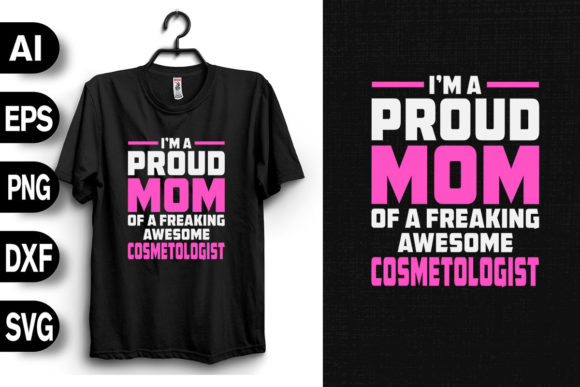
When evaluating a new machine embroidery design for professional or commercial use, I look beyond the digital preview. As a designer who regularly creates custom apparel and personalized gifts for beauty industry professionals, I need to know how a file translates from screen to fabric. The "Proud Cosmetologist MOM" design caught my attention because it targets a specific, passionate niche. However, having an SVG file compatible with Cricut is different than having a digitized embroidery file ready for stitching. In this review, I am assessing this graphic’s potential for real-world embroidery projects, focusing on stitch integrity, fabric compatibility, and marketability for Etsy sellers and small business owners.
First Impressions and Visual Hierarchy
My initial assessment of Proud Cosmetologist MOM focuses on its layout and emotional resonance. For a tote bag design or sweatshirt embroidery, the hierarchy is critical. The word "MOM" typically carries the most visual weight in these designs, while "Cosmetologist" establishes the professional identity. From a digitizing perspective, I am looking for balanced spacing. If the lettering is too tight, thread breaks and tension issues become inevitable during production. If it is too loose, the design loses its cohesive shape on curved surfaces like caps or rounded tote bags.
The mood of this graphic suggests pride and duality. It appeals to clients who want to celebrate their career and motherhood simultaneously. As a handmade product, it needs to feel premium rather than generic. When reviewing the Graphics source file, I check if the lines are clean enough to support detailed stitching. Jagged vector lines often result in jagged satin stitches, which diminishes the perceived value of the finished product. For T-Shirt Designs in this category, legibility at smaller sizes is non-negotiable. If the font style is overly ornate, it may require simplification before it can be safely embroidered on stretchy knit fabrics without puckering.
Real-World Application: The Canvas Tote Test
To truly judge this design, I mentally simulate a recent client project: a heavy-duty canvas tote bag intended as a gift for a salon owner returning from maternity leave. This scenario tests the design's versatility. A tote bag offers a stable, woven surface that is forgiving for beginners, but the texture of canvas can swallow fine details.
In this application, Proud Cosmetologist MOM would likely perform best as a combination of applique design and text. Using applique for the larger elements reduces stitch density, keeping the bag lightweight and flexible. If the design is purely stitched, I would verify that the fill areas are not excessively dense. Overly dense stitching on canvas creates a stiff, bulletproof patch that distorts the bag’s natural drape. For commercial embroidery businesses, efficiency matters. A design that requires excessive color changes or trims slows down production. I always check if the digital embroidery file has been optimized for logical color sequencing to minimize machine downtime.
Fabric Compatibility and Technical Constraints
Not every embroidery project suits the same digitization style. While this design is marketed for various purposes, practical experience dictates caution with certain substrates.
- Stretchy Knits and Baby Clothes: If adapting this for baby embroidery or lightweight tees, the stabilizer choice is paramount. Stretchy fabrics require cut-away stabilizer to prevent tunneling. If the original SVG has not been professionally digitized for knits, the registration may shift, causing gaps between outlines and fills.
- Caps and Curved Surfaces: Embroidering on caps requires a specific center-out stitch path. A flat hoop size layout often fails on curved brims. Before attempting this design on headwear, confirm it has been digitized specifically for cap frames to avoid distortion at the top and bottom edges.
- Textured Fabrics: For items like tea towels or fleece blankets, running stitch outlines can get lost in the pile. A thicker satin stitch border or a knockdown stitch underlay might be necessary to ensure the "Proud Cosmetologist MOM" text remains readable against high-pile textures.
I also advise checking the minimum text height. In my experience, serif fonts smaller than 0.25 inches often fail in embroidery. If this design features delicate script, test it on scrap fabric first. What looks crisp in a printable mockup may turn into a thread nest on actual fabric if the column width is below the machine’s tolerance threshold.
Commercial Viability for Makers and Sellers
For craft business owners and Etsy sellers, this design represents a strong seasonal and evergreen opportunity. Beauty professionals are a loyal demographic who frequently purchase personalized gifts for colleagues, mentors, and themselves. However, selling a small shop product requires more than just stitching the design; it requires presenting it professionally.
Visual appeal directly impacts buyer engagement. When listing this item, avoid using only digital renders. Customers trust photos of actual stitched samples because they show true thread colors and texture. I recommend stitching out Proud Cosmetologist MOM on both a dark sweatshirt and a light tote to demonstrate versatility. This builds customer confidence in your quality control. Furthermore, consider how this design pairs with other design assets. Does it match the aesthetic of your existing shop? Brand consistency helps establish recognition and professionalism.
From a licensing perspective, always verify the terms included with the file. Just because a file is sold as a t-shirt SVG does not automatically grant unlimited commercial embroidery rights. Some designers restrict the number of physical items you can sell or prohibit mass production. Clarifying this protects your business and respects the original creator’s intellectual property.
Essential Pre-Stitch Checklist for Designers
Before committing this design to a final holiday embroidery run or a paid client order, follow this practical workflow to ensure success:
- Verify File Format: Confirm you have the correct machine format (PES, DST, JEF, etc.) and that the SVG has been properly converted. Raw SVGs cannot be read by embroidery machines without digitizing software.
- Test Stitch on Scrap: Never skip this step. Use the exact fabric and stabilizer combination intended for the final project. Check for registration errors, thread breaks, or excessive puckering.
- Audit Stitch Density: Use your machine software to view the density map. If areas exceed 0.8mm density on lightweight fabric, reduce the fill or add underlay to prevent needle damage.
- Check Hoop Requirements: Measure the design dimensions accurately. Ensure it fits comfortably within your hoop with adequate margin for stabilization. Resizing should be done cautiously, as enlarging can thin out satin stitches and shrinking can cause overlaps.
- Evaluate Contrast: Test thread colors against the garment color. Low contrast reduces readability. For example, navy thread on a black hoodie will disappear; opt for metallic or bright white to make the statement pop.
Final Thoughts on Design Integrity
Proud Cosmetologist MOM holds significant promise for makers targeting the beauty industry. Its dual focus on professional pride and maternal love makes it a versatile candidate for everything from embroidered patches to boutique merchandise. However, the transition from a digital graphic to a tangible custom apparel piece requires technical diligence. Success lies not just in owning the file, but in understanding how it interacts with fabric, thread, and tension.
By approaching this design with a critical eye toward stitch mechanics and commercial presentation, you elevate your work above hobbyist levels. Whether you are creating a personalized gift for a friend or stocking your online store, taking the time to validate the design’s performance ensures that the final result honors both the craft of embroidery and the proud cosmetologist wearing it. Always prioritize testing and quality assurance to maintain the trust of your customers and the integrity of your handmade brand.