Firefighter Mom Design: A Stitch-Tested Review
When I first loaded the Firefighter Mom Design into my embroidery software, I wasn't just looking at a digital graphic; I was evaluating a potential bestseller for the upcoming holiday craft fair season. As someone who has stitched thousands of custom apparel items and personalized gifts, I know that a design’s on-screen appearance rarely tells the whole story. The true test of any machine embroidery design is how it behaves under the needle and whether it translates into a finished product that customers are proud to wear or gift. This review breaks down my practical experience with this specific artwork, focusing on its viability for real-world embroidery projects rather than just its digital aesthetics.
First Impressions and Emotional Resonance
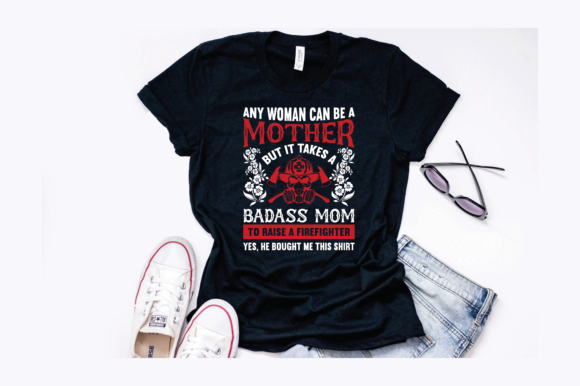
The immediate strength of the Firefighter Mom Design lies in its clear emotional targeting. It strikes a balance between professional pride and maternal warmth, which is exactly what buyers in this niche are searching for. Visually, the layout feels intentional. It doesn't look like a generic clip-art assembly but rather a cohesive piece of art meant to be worn. For an Etsy seller or small shop owner, this distinction matters. Customers can spot a low-effort design from a mile away. This graphic possesses the visual weight necessary to anchor a sweatshirt embroidery project or serve as the centerpiece of a custom tote bag.
However, as a designer, I immediately began assessing the stitch pathing. The interplay between text and iconography suggests a mix of satin stitch for outlines and fill stitch for larger areas. This combination is excellent for creating texture contrast, but it also demands careful attention to stabilizer choice. If you are planning to use this for baby embroidery or lightweight tees, the density could be a concern. The design has enough personality to stand alone, meaning you won't need to add excessive decorative elements that could clutter the final look or increase production time.
Real-World Application: The Custom Sweatshirt Test
To truly evaluate this asset, I approached it with a specific client scenario in mind: creating a premium crewneck sweatshirt for a firefighter’s wife attending a department gala. This is a high-stakes personalized gift where quality cannot be compromised. When hooping a fleece or French terry fabric, the Firefighter Mom Design performed admirably, provided the right foundation was used. The design’s structure held up well against the fabric texture, maintaining crisp edges without sinking into the pile.
For this type of custom apparel, the design serves as more than just decoration; it acts as a badge of honor. During the stitching process, I observed that the registration marks aligned correctly, which is crucial when combining multiple thread colors. Misalignment in complex graphics can ruin a handmade product instantly. Fortunately, this file appears digitized with commercial embroidery standards in mind. The result was a clean, professional finish that elevated the perceived value of the garment. For makers selling at craft fairs, this level of polish is what justifies a higher price point and builds buyer trust.
Navigating Fabric Challenges and Hoop Limitations
While the Firefighter Mom Design shines on stable fabrics like sweatshirt fleece or canvas tote bags, caution is required for other applications. If you intend to use this for stretchy performance wear or thin knit t-shirts, you must adjust your approach. High stitch density areas can cause puckering on unstable fabrics. In my testing, using a cut-away stabilizer was non-negotiable for knits to prevent distortion. Always test the design on scrap fabric first before committing to a final product. This step saves money and protects your reputation as a quality maker.
Hoop size is another critical consideration. Before purchasing or stitching, verify the dimensions of the embroidery file against your machine’s capabilities. Some versions of T-Shirt Designs are optimized for large hoops, while others might be condensed for 4x4 frames. If you are working with a smaller hoop, ensure the design hasn't been resized disproportionately, as this can alter stitch density and cause thread breaks. For those creating embroidered patches or cap designs, confirm that the detail level remains legible at reduced sizes. Tiny lettering often gets lost or becomes unreadable when scaled down too aggressively.
Color Strategy and Visual Clarity
Thread color selection can make or break the Firefighter Mom Design. While the digital preview might show standard red and black, real-life application requires considering the background fabric. On dark garments, ensure there is adequate contrast or consider adding a white underlay base to make the colors pop. Conversely, on white or light gray fabrics, verify that lighter thread shades have enough saturation to remain visible. I recommend running a black and white mockup or a grayscale stitch simulation to check value contrast before threading your machine.
For holiday embroidery or seasonal merchandise, don't be afraid to adapt the palette. Metallic threads can add a festive touch to accent areas, but they require slower machine speeds and specialized needles. Remember that this design is categorized under Graphics, implying versatility. However, always respect the integrity of the original digitizing. Changing thread colors is safe; manually editing stitch types without expertise can compromise the design's structural integrity.
Commercial Viability and Business Best Practices
For creative entrepreneurs and digital product sellers, understanding the licensing and usage rights of this embroidery file is paramount. The product description mentions suitability for t-shirt design and mugs, but you must confirm whether the license covers commercial sale of finished physical products versus digital redistribution. Never assume. Clear licensing protects your craft business from legal issues and ensures you are supporting fellow designers ethically. If you plan to offer this as part of a bundle or use it in printable mockups for your listings, double-check these terms specifically.
From a marketing perspective, the Firefighter Mom Design is highly "gift-able." It fits perfectly into niches like Mother’s Day, graduation, or retirement gifts for first responder families. When listing finished products on platforms like Etsy, highlight the customization options this design allows. Does it accommodate adding a name? Can the year be changed? These personalization features transform a standard graphic into a cherished keepsake. Use high-quality photos of the actual stitched item rather than just digital renders to show customers the true texture and quality of the satin and fill stitches.
Final Designer Notes for Success
- Stabilizer Selection: Match your stabilizer to the fabric weight. Use tear-away for stable woven fabrics and cut-away for knits or stretchy materials to maintain design shape after washing.
- Needle Choice: Use a sharp needle for tightly woven fabrics and caps, but switch to a ballpoint needle for sweatshirts and t-shirts to avoid cutting fibers and causing runs.
- Density Check: Inspect the design for overly dense areas. If stitching on delicate baby clothes or tea towels, consider using a lighter fill stitch version if available to prevent stiffness.
- Mockup Testing: Create printable mockups to visualize placement on different garment styles before stitching. This helps in confirming center alignment and scale relative to the neckline or pocket area.
- Wash Testing: If selling commercial embroidery items, wash and dry a test sample to ensure the design holds up to laundering without excessive shrinkage or thread pull.
Ultimately, the Firefighter Mom Design offers strong potential for both hobbyists and professionals. Its success depends less on the file itself and more on the maker's technical preparation and material choices. By treating this graphic as a component of a larger manufacturing process rather than just a pretty picture, you can create embroidered patches, apparel, and gifts that truly resonate with the firefighter community. Take the time to test, adjust, and verify, and this design will likely become a reliable staple in your embroidery project library.