Belgian Malinois Mom: An Embroidery Design Review
First Impressions for the Apparel Decorator
When evaluating a new machine embroidery design, my first question is always about translation. A graphic that looks stunning on a screen does not always stitch out cleanly on fabric. As I reviewed the Belgian Malinois Mom asset, I approached it with the skepticism of someone who has had to unpuckered sweatshirts and redo registration on caps. This design captures the specific intensity and loyalty associated with the breed, but for us in the craft business, the emotional connection is only half the battle. The other half is technical viability.
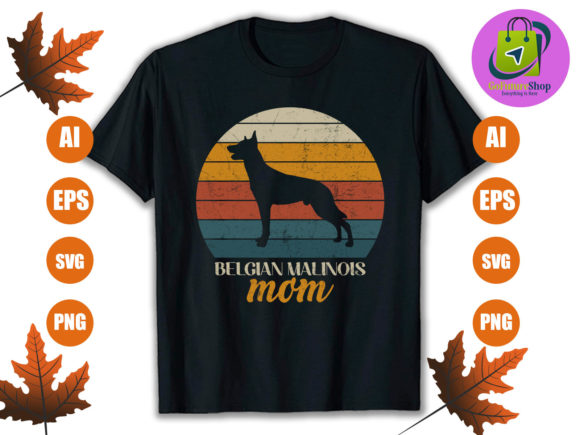
The visual personality here strikes a balance between bold identification and niche appeal. For an Etsy seller or boutique owner targeting working dog handlers, K9 unit families, or dedicated breed enthusiasts, generic dog graphics often fall flat. They lack the specific silhouette that owners recognize instantly. Belgian Malinois Mom appears to offer that specificity. However, because this product is categorized under T-Shirt Designs and Graphics, and the provided file list includes AI, EPS, SVG, and PNG formats in RGB color, there is a critical distinction to make immediately: these are vector and raster graphics, not native digitized embroidery files. This changes how we must approach the project. You cannot load an SVG directly into most embroidery machines without conversion. Therefore, this review focuses on the potential of this artwork as a source for creating a high-quality embroidery project, rather than reviewing a pre-digitized stitch file.
Real-World Application: The Custom Sweatshirt Test
To truly judge this design, I mentally placed it in a real production scenario. Imagine a client requests a custom crewneck sweatshirt for a Belgian Malinois rescue fundraiser. They want the "Belgian Malinois Mom" branding across the chest. Sweatshirt fleece is a forgiving but tricky substrate; it hides minor stitching errors but punishes poor stabilization.
In this context, the artwork’s layout suggests a strong center-chest placement. If you are digitizing this from the provided vector files, the shape lends itself well to a combination of satin stitch borders and fill stitch interiors. For a handmade product like this, I would recommend keeping the text bold and sans-serif. Script fonts in breed-specific designs can sometimes get lost in the texture of fleece or look too delicate against the rugged nature of the Malinois breed. The mood should be confident and sturdy.
If adapting this for a tote bag design, the considerations shift. Canvas is stable, allowing for crisper edges and more intricate details than knit fabrics. Here, the Belgian Malinois Mom graphic could support a higher stitch density without puckering. This makes it an excellent candidate for merchandise at craft fairs or adoption events where durability and visual impact from a distance are paramount. The versatility of having the source art in AI and EPS formats means you can scale the design up for a tote or down for a pocket logo without losing edge definition, which is vital for maintaining professionalism in your finished product.
Technical Constraints and Fabric Considerations
While the artwork is versatile, not every application is safe. As an experienced reviewer, I must highlight where caution is necessary. Because we are likely converting this graphic ourselves, understanding fabric interaction is non-negotiable.
- Stretchy Fabrics: If applying this to performance wear or thin jersey knits, the design area must be stabilized heavily. A complex graphic converted to embroidery can become bulletproof if the density is too high. Always use a cut-away stabilizer for stretchy garments to prevent the design from distorting after washing.
- Textured Surfaces: Avoid placing detailed elements of the Belgian Malinois Mom design over thick seams or highly textured terry cloth. The running stitches defining the dog’s features may sink into the pile. In these cases, consider using the graphic as a guide for an applique design instead of full coverage embroidery to reduce stitch count and improve clarity.
- Small Hoop Sizes: Be wary of resizing this artwork down for 4x4 hoops or cap frames. If the original graphic contains fine lines or small text, reducing it during digitization will cause thread breaks and registration loss. If you need a small version for a hat or baby item, simplify the artwork first. Remove secondary details and focus solely on the primary silhouette and main text.
- Dark Fabrics: Since the source files are RGB, remember that screen colors do not match thread colors. When stitching on black or navy, ensure you adjust the digitizing to account for contrast. White or light metallic underlay may be necessary to make the design pop, especially for a personalized gift intended to stand out.
Commercial Viability and Brand Consistency
For those running a small shop product line or selling on Etsy, consistency builds trust. Using Belgian Malinois Mom as part of a cohesive collection requires checking your licensing. Before listing any commercial embroidery items, verify that the purchase includes rights for physical product sales. The description mentions printable designs and mugs, but physical apparel rights can sometimes differ from digital print rights.
From a marketing perspective, this design fills a specific gap. Generic "Dog Mom" shirts are saturated. Breed-specific items convert better because they target a passionate micro-niche. When creating printable mockups for your listings, use the provided PNG to show customers what the final embroidered piece will resemble, but clearly label it as a representation. Better yet, stitch out a sample on your target garment and photograph that. Customers value seeing actual thread colors and texture over digital perfection.
This asset also serves as a strong foundation for digital embroidery file creation if you are a digitizer. Having clean vector lines (AI/EPS) significantly speeds up the auto-digitizing or manual tracing process compared to working from a pixelated JPEG. This efficiency allows you to test multiple variations—perhaps a patch version for tactical gear or a minimalist outline for baby embroidery—expanding your product range from a single purchase.
Essential Designer Notes Before Stitching
Before you hoop a single piece of fabric, run through this practical checklist to ensure the Belgian Malinois Mom design performs as expected:
- Verify File Compatibility: Confirm you have software capable of opening AI or EPS files and converting them to your machine’s format. Do not assume the SVG is stitch-ready.
- Test Stitch Density: Run a test sew-out on scrap fabric identical to your final project. Check the back of the embroidery; if it feels stiff or heavy, reduce the density. Comfort is key for custom apparel.
- Check Licensing: Re-read the terms specifically regarding Etsy seller usage and physical product limits. Protect your business by ensuring compliance.
- Color Matching: Convert RGB values to the closest Pantone or thread brand equivalent. Screen brightness varies; thread is permanent.
- Stabilizer Selection: Match your stabilizer to the fabric weight, not the design size. A large design on lightweight fabric needs more support than a small design on denim.
- Mockup Accuracy: If using the PNG for digital previews, apply a texture overlay to simulate fabric grain. This manages customer expectations regarding the difference between digital art and stitched reality.
Ultimately, Belgian Malinois Mom represents a strong opportunity for niche apparel decorators. It offers the aesthetic specificity that breed lovers crave, provided the maker respects the technical transition from vector graphic to stitched reality. By treating this asset as a premium source material rather than a plug-and-play solution, you elevate the quality of your embroidered patch, apparel, and gifts, ensuring they meet the high standards of both the maker community and the discerning Malinois owner.