Mom of the Sweet One: A Designer’s Embroidery Review
As a professional designer and product reviewer, I approach every new asset with a critical eye toward production viability. When evaluating Mom of the Sweet One, Mother s Day, my first thought isn't just about the aesthetic appeal for a digital screen; it is about how this graphic translates into physical thread on fabric. While this asset is categorized under Print Templates and Graphics for sublimation, its typography and layout offer significant potential for adaptation into a machine embroidery design or mixed-media project. For Etsy sellers, craft business owners, and apparel decorators, understanding the bridge between a digital graphic and a tangible handmade product is essential for maintaining quality and customer trust.
First Impressions and Visual Personality
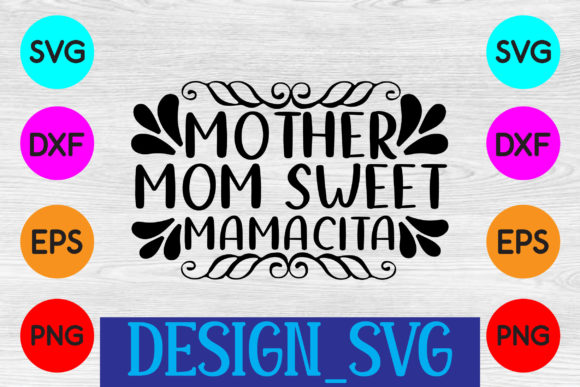
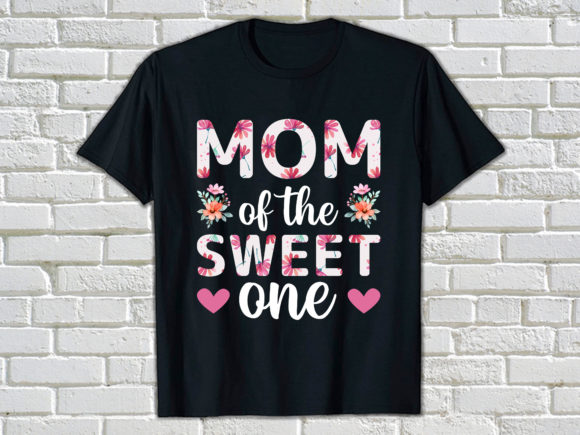
The immediate mood of Mom of the Sweet One, Mother s Day is warm, affectionate, and distinctly modern. It avoids the overly frilly or dated aesthetics that sometimes plague holiday-specific assets. The phrase "Sweet One" suggests a tender relationship, making it ideal for personalized gifts rather than generic merchandise. Visually, the layout appears balanced, which is a crucial factor when converting graphics for embroidery projects. A cluttered design often leads to excessive stitch density and puckering, but this composition feels open enough to breathe on fabric.
For those working with digital embroidery files or creating custom apparel, the visual hierarchy here supports readability from a distance. This is vital for sweatshirt embroidery or tote bag designs where the text needs to be legible in photos and in person. The personality strikes a balance between boutique branding and heartfelt sentiment, making it versatile for both commercial embroidery listings and intimate family gifts.
Real-World Application: The Custom Sweatshirt Test
To truly evaluate this design, I mentally placed it in a real-life scenario: preparing a custom embroidered sweatshirt for a spring Mother’s Day collection. In this context, Mom of the Sweet One, Mother s Day serves as more than just decoration; it acts as the focal point of the garment's value proposition. When stitching this onto a heavyweight cotton fleece, the clean lines of the original graphic would translate beautifully into a combination of satin stitch for the lettering and perhaps a subtle fill stitch for any accompanying floral or decorative elements.
In a small shop product lineup, this specific phrasing targets a niche emotional trigger. Customers aren't just buying a shirt; they are buying an identity. As an embroidery designer, I can see this working exceptionally well as a centerpiece on a crewneck, positioned slightly above the chest line rather than dead center. This placement respects the natural drape of the garment and prevents the design from looking distorted when worn. For makers selling finished products, this adaptability increases the perceived professionalism of the item. It moves beyond a basic print template application and becomes a textured, high-value piece of custom apparel that commands a higher price point than standard sublimation alone.
Navigating Fabric Textures and Hoop Limitations
While the design is versatile, practical judgment requires acknowledging where caution is needed. Not every fabric texture plays nicely with detailed graphics. If you are adapting Mom of the Sweet One, Mother s Day for embroidery, be wary of highly textured surfaces like terry cloth towels or ribbed knits. The fine details in the script could get lost in the pile, resulting in a muddy appearance that diminishes the handmade product's quality.
Hoop size is another critical constraint. This design likely has a specific aspect ratio optimized for t-shirts and mugs. If you attempt to resize it significantly for a smaller application, such as a baby embroidery project or a cap, you risk compromising stitch integrity. Tiny lettering that looks crisp on a screen may turn into a solid block of thread when scaled down below a certain threshold. Always verify the minimum safe size before committing to a production run. Conversely, stretching the design too wide for a large tote bag design might cause gaps in the satin stitch columns. Stability is key; using the correct stabilizer—likely a medium-weight cutaway for stretchy knits or a tear-away for stable wovens—is non-negotiable to prevent distortion.
Critical Considerations for Dark and Stretchy Fabrics
- Contrast Checks: On dark fabrics, ensure the thread colors provide sufficient contrast. A white or cream satin stitch pops against navy, but pastel tones may vanish. Test visibility before bulk production.
- Stretch Management: For performance wear or thin jersey knits, the stitch density must be managed carefully. Too dense, and the fabric will pucker; too sparse, and the design lacks coverage. A floating technique with adhesive stabilizer often yields better results than hooping thin fabric directly.
- Curved Surfaces: If applying this to caps or curved sleeves, the flat geometry of the original graphic may need digitizing adjustments to account for the curve, preventing the edges from lifting.
Impact on Brand Consistency and Buyer Engagement
Using Mom of the Sweet One, Mother s Day effectively can elevate your brand consistency. For Etsy sellers and creative entrepreneurs, cohesive design assets build recognition. When customers see this thoughtful typography across your printable mockups, digital product previews, and actual finished embroidery, it reinforces a professional image. The "Sweet One" terminology specifically invites engagement because it feels personal rather than mass-produced.
This emotional resonance directly affects buyer engagement and giftability. In the competitive landscape of holiday embroidery and personalized gifts, specificity sells. A customer looking for a unique Mother's Day token is more likely to connect with this specific phrasing than a generic "Best Mom" label. Furthermore, offering this as both a sublimation option and an embroidered variant allows you to capture different market segments within your craft business. Just ensure that your presentation accurately reflects the final output; if selling a digital embroidery file, provide clear photos of stitched samples so buyers understand the texture and scale.
Essential Designer Notes for Production Success
Before adding Mom of the Sweet One, Mother s Day to your commercial embroidery workflow or personal stash, adhere to these practical protocols:
- Verify Licensing: Since this originates as a printable sublimation design, confirm whether the license permits digitizing for embroidery or selling finished embroidered goods. Never assume cross-format rights without checking the specific terms provided by the creator.
- Test Stitch-Outs: Always run a test on scrap fabric identical to your final project. Check for registration issues between text and decorative elements. What aligns perfectly in software may shift physically due to fabric pull.
- Evaluate Thread Colors: Review the suggested palette against your available inventory. Sometimes, simplifying the color count improves production speed without sacrificing visual impact, especially for small shop products where margins matter.
- Mockup Reality Check: Create black and white mockups to assess value contrast independent of color. If the design reads poorly in grayscale, it may lack the necessary definition for embroidery.
- Stabilizer Selection: Match your backing to the fabric weight and stitch density. Do not rely on a one-size-fits-all approach; the longevity of the personalized gift depends on proper structural support during stitching.
Ultimately, Mom of the Sweet One, Mother s Day represents a strong foundation for seasonal collections. Its success in your shop, however, relies less on the digital file itself and more on your technical execution and material choices. By treating this graphic with the same rigor as a dedicated embroidery file, you transform a simple print template into a premium, tactile experience that resonates with mothers and gift-givers alike. Whether used for a boutique product line or a singular cherished gift, mindful application ensures the final result honors both the design intent and the craftsmanship of the maker.