Messy Bun Mom Life Vector: An Embroidery Review
As a professional embroidery designer and product reviewer, I approach every new graphic asset with a specific question: will this actually stitch out well on fabric? Vectors are fantastic for print, but translating them into thread requires a critical eye for line weight, negative space, and visual balance. After evaluating the Messy Bun Set Vector. Mom Life Vector, I see significant potential for apparel decorators and Etsy sellers, provided you understand how to adapt these illustrations for needle and thread rather than just ink.
First Impressions: Visual Personality and Stitch Potential
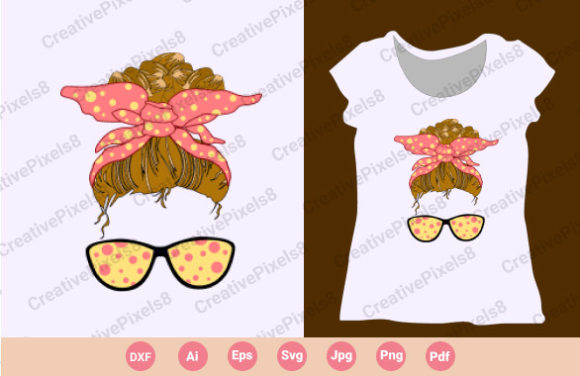
The immediate appeal of this Mom Life Illustrations Set lies in its relatable, relaxed aesthetic. The messy bun motif is a staple in the handmade community because it signals authenticity over perfection. From a design perspective, the lines appear clean enough to serve as excellent guides for digitizing. Unlike overly complex raster images that require extensive cleanup, these vectors offer distinct shapes that translate naturally into satin stitch borders or running stitch outlines.
The inclusion of bandanas with various colors is a strategic advantage for custom apparel. In embroidery, color blocking helps define shapes without relying solely on heavy stitch density. This reduces puckering on lighter fabrics while maintaining visual interest. For a craft business owner, having pre-coordinated color variations in the vector set saves hours of recoloring time when creating printable mockups or planning thread colors for a new collection.
Real-World Application: The Custom Sweatshirt Test
To truly evaluate this asset, I mentally applied it to a current client request: a personalized "Mama" sweatshirt for a boutique holiday launch. Sweatshirts are notoriously tricky due to their stretch and fleece backing. Here is how the Messy Bun Set Vector. Mom Life Vector performs in this scenario.
The illustration’s scale works beautifully for left-chest placement or centered back designs. Because the vector lines are bold, they can withstand the texture of French terry or fleece without getting lost. When digitizing this for a sweatshirt embroidery project, I would utilize the vector paths to create a combination of fill stitches for the hair and satin columns for the bandana. The simplicity of the faceless design is crucial here; facial features often distort on knit fabrics, but this stylized approach ensures the finished product looks professional even after washing.
For Etsy sellers, this design bridges the gap between digital and physical products. You can use the original vectors to create high-quality listing photos and digital embroidery file previews, then stitch out the same design for inventory. This consistency builds customer trust and brand recognition.
Navigating Fabric Challenges and Hoop Limitations
While versatile, this design set requires careful consideration regarding substrate choice. Not all embroidery projects are created equal, and the "Mom Life" theme often extends to items that face rigorous wear.
- Stretchy Fabrics: When applying this to baby onesies or performance tees, the vector’s open spaces are beneficial. However, you must use appropriate stabilizer. A cut-away stabilizer is non-negotiable for knits to prevent the design from warping. The vector lines should be digitized with pull compensation to account for fabric stretch.
- Textured Surfaces: On terry cloth towels or canvas tote bag design projects, fine details can disappear. I recommend increasing the column width of the vector outlines by 10-15% during digitization. The bandana elements in this set are perfect for textured goods because solid color blocks read better than thin lines on uneven surfaces.
- Small Hoop Sizes: If you are working with a 4x4 hoop for baby embroidery or sleeve cuffs, select the simpler variations within the set. Complex bandana folds may need to be simplified to maintain clarity at smaller scales. Always check your hoop size constraints before finalizing the layout.
- Dark vs. Light Garments: The product description notes easy color changes for dark or white t-shirts. This is vital for commercial embroidery. On dark fabrics, ensure the vector includes an underlay path or plan for a white underbase stitch. Without this, the top threads will sink into the dark fabric, muddying the vibrant bandana colors.
Designer Notes: Ensuring Professional Results
Before listing any handmade product featuring this design, practical testing is essential. As experienced makers know, a beautiful screen vector does not automatically equal a beautiful stitch-out. Here is my technical checklist for using the Messy Bun Set Vector. Mom Life Vector:
- Verify Licensing: Confirm whether your purchase includes commercial rights for both physical personalized gift items and digital resale. Licensing terms vary, and protecting your shop starts with compliance.
- Test Stitch Density: Run a sample on scrap fabric similar to your final project. Check if the bandana fills are too dense (causing stiffness) or too sparse (showing fabric). Adjust density based on the specific fabric texture.
- Contrast Check: View the design in black and white before stitching. If the messy bun blends into the background in grayscale, it will lack definition in thread. Use contrasting thread colors to separate the hair from the bandana and skin tone.
- Mockup Accuracy: When creating design assets for your shop, use realistic textures in your printable mockup. Customers need to visualize how the vector translates to thread. Avoid flat, digital-only representations that mislead buyers about the tactile nature of embroidery.
- Simplify for Appliqué: Consider converting parts of this vector into an applique design. Using fabric for the bandana instead of thread reduces stitch count significantly, making it ideal for large holiday embroidery projects or budget-friendly small shop product lines.
Elevating Brand Value Through Thoughtful Execution
The true value of the Messy Bun Set Vector. Mom Life Vector isn't just in the graphic itself, but in how you execute it. In the saturated market of mom-centric merchandise, quality distinguishes a hobbyist from a professional brand. Clean registration, appropriate stabilizer usage, and thoughtful color matching signal to customers that you respect your craft.
When used correctly, this set supports a wide range of Print Templates and Graphics applications beyond embroidery. It serves as a cohesive branding element across packaging, thank-you cards, and social media. For the creative entrepreneur, this versatility maximizes the return on investment for the design asset.
Ultimately, this vector set is a strong foundation for machine embroidery design work, provided you apply technical expertise during the digitization phase. It captures the emotional resonance of motherhood while offering the structural simplicity needed for successful stitching. Whether you are creating a signature embroidered patch, a best-selling sweatshirt, or a cherished holiday gift, approaching this design with a maker’s mindset will ensure your final products resonate with authenticity and quality.